Published specifications for Optimus
Not established for this configuration: Height, Mass, Actuated joints, Battery runtime.
Hardware and components
- Actuation
- Tesla-designed actuators.
- Sensing
- Tesla-designed sensors; models and quantities are not stated in the verified description.
- Mechanical revision
- Articulated neck and revised hands.
Control and operating conditions
Tesla describes autonomy, balance, navigation and physical interaction as development objectives. A launch video does not establish an unattended task success rate.
Ordering and access
This entry documents a research prototype. The cited Tesla sources do not offer Gen 2 for retail purchase.
Manufacturer and development
Tesla describes internal work across mechanical engineering, vision, planning, balance, motion control and robotics software. Its Q2 2026 investor update described Fremont production preparations after decommissioning Model S and X lines, with production anticipated later in 2026. It did not establish shipments of this prototype.
Questions specific to Tesla Optimus
What does a repeatable dexterity trial need?
Keep camera placement, lighting, floor conditions and permitted intervention defined; vary object positions and record attempted transfers, accepted placements, resets, elapsed time and fingertip forces. The Gen 2 video gives no such trial log.
Tesla Optimus: Complete buying, setup and programming guide
A complete beginner guide to buying, starting, walking, running, dancing and programming Tesla Optimus. Information reviewed November 17, 2026.
1. What is Tesla Optimus?
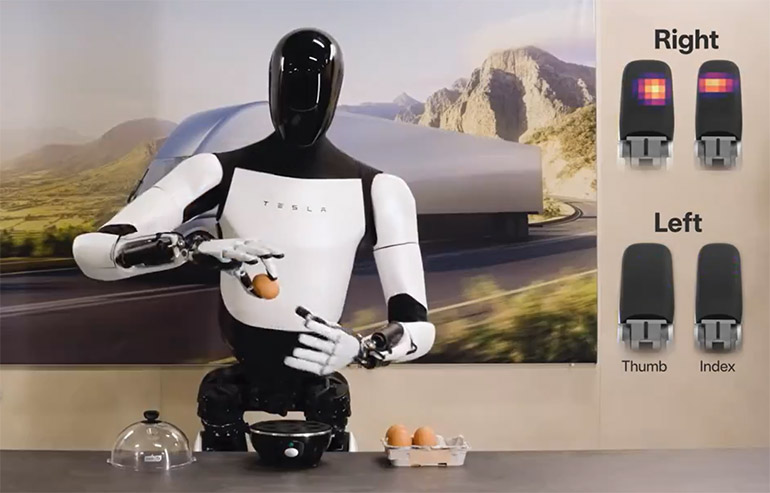
Tesla Optimus, also called Tesla Bot, is an electric humanoid robot developed by Tesla to perform physical tasks in factories, businesses and eventually homes.
It combines electric actuators, cameras, robotic hands and artificial intelligence systems for movement and physical interaction.
Tesla AI & Roboticshttps://www.tesla.com/AI
2. Who created Tesla Optimus?
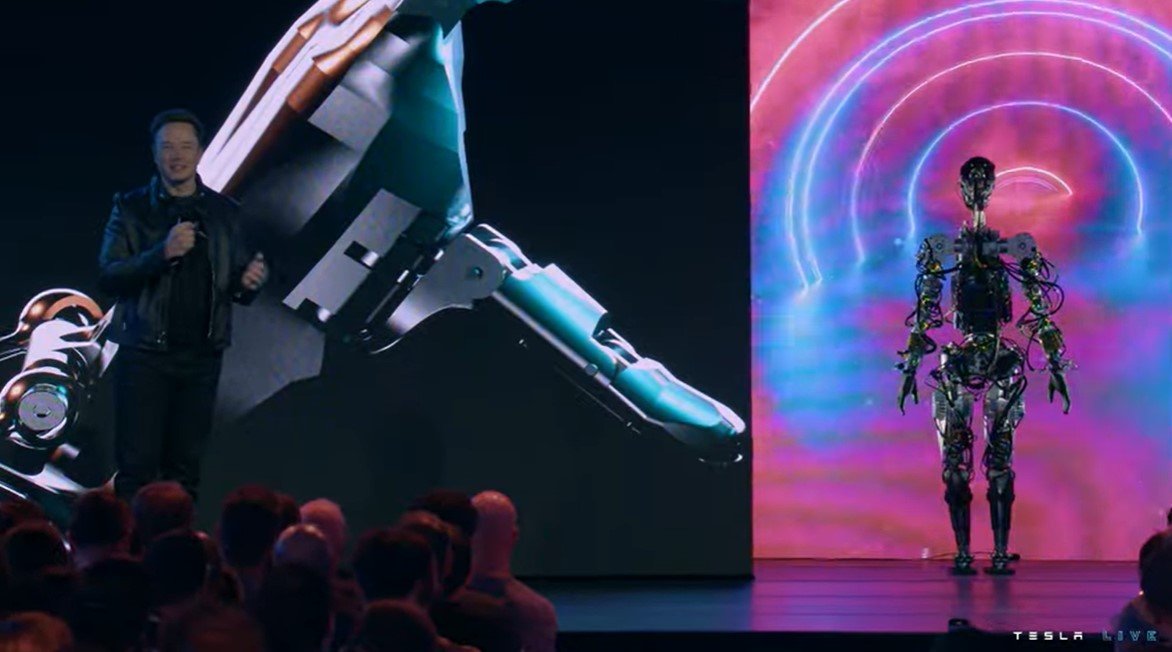
Elon Musk, Tesla’s CEO, initiated the Optimus program in 2021. Tesla’s robotics, artificial intelligence and mechanical engineering teams collectively develop the robot.
Evolution of the robot
| Year | Development |
|---|---|
| 2021 | Initial Tesla Bot concept presentation |
| 2022 | First physical prototypes presented |
| 2023 | Optimus Gen 2 introduced |
| 2025 | Dance, manipulation and running demonstrations |
| 2026 | Production began in Fremont, California, confirmed in Tesla’s October 21 quarterly report |
Tesla Q3 2026 updatehttps://ir.tesla.com/_flysystem/s3/sec/000162828026066738/tsla-20261021-gen.pdf
3. Technical specifications
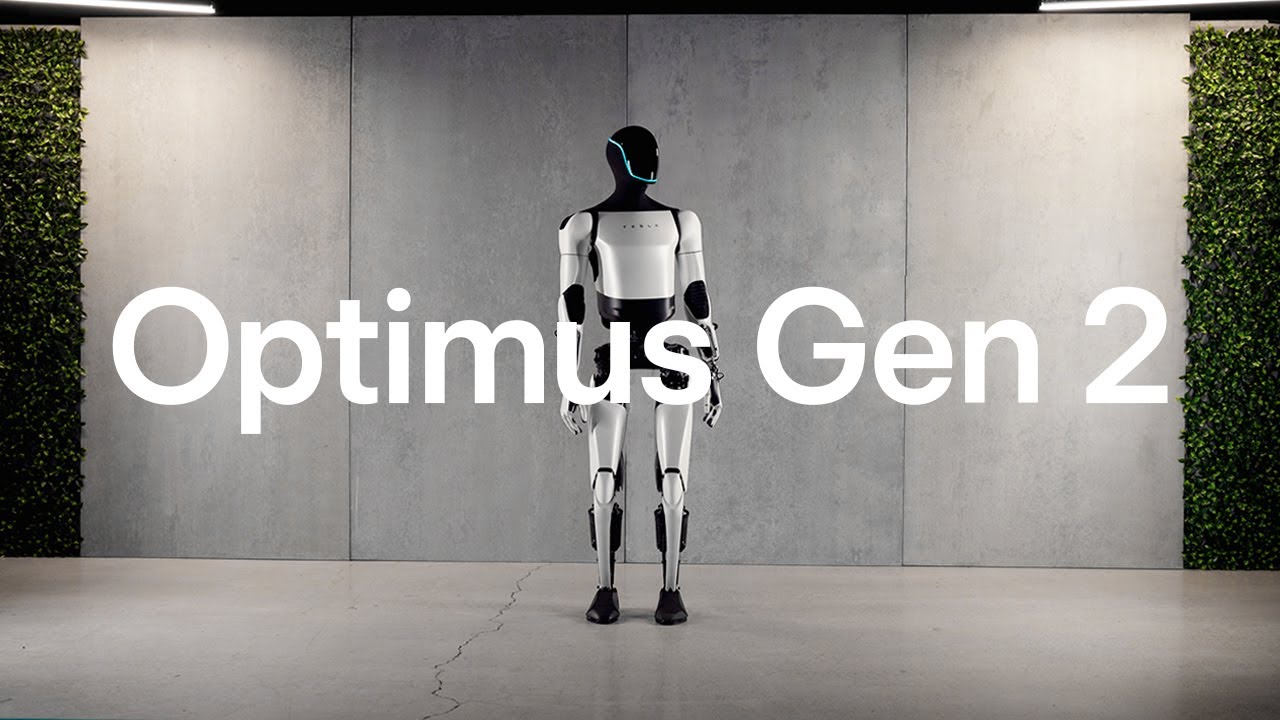
The following specifications refer to the Gen 2 prototype introduced in December 2023.
| Specification | Published information |
|---|---|
| Manufacturer | Tesla |
| Type | Bipedal humanoid |
| Actuators | Tesla-designed |
| Drive | Electric |
| Neck | 2 degrees of freedom |
| Hands | 11 degrees of freedom per hand |
| Tactile sensors | Integrated into the fingers |
| Walking speed | 30% increase compared with the previous generation |
| Weight | 10 kg reduction compared with the previous generation |
| Perception | Cameras and sensors |
| Balance | Whole-body control |
| Public SDK | Not confirmed |
The absolute dimensions, mass, battery runtime and commercial-version hardware specification have not been established by the sources reviewed. Later Optimus demonstrations may use different hardware.
Official Gen 2 introductionhttps://www.youtube.com/watch?v=cpraXaw7dyc
4. How much does Tesla Optimus cost?
At the October 2024 We, Robot event, Elon Musk estimated a long-term price between $20,000 and $30,000.
| Purchase detail | Status |
|---|---|
| Official retail price | Not published |
| Verified public preorder | Unavailable |
This estimate assumes large-scale manufacturing. It is not a Tesla commercial offer or guaranteed price.
Tesla We, Robot eventhttps://www.youtube.com/watch?v=6v6dbxPlsXs
5. How to buy and order Tesla Optimus
As of November 17, 2026, no verified public ordering process for Optimus was found. Tesla has confirmed that its first production-quality units have come off its Fremont production line. Production does not establish retail availability.
Monitor the manufacturer’s official channels for ordering announcements:
Tesla AI & Roboticshttps://www.tesla.com/AI
Tesla Investor Relationshttps://ir.tesla.com/
Tesla Optimus on Xhttps://x.com/Tesla_Optimus
6. How does Optimus artificial intelligence work?
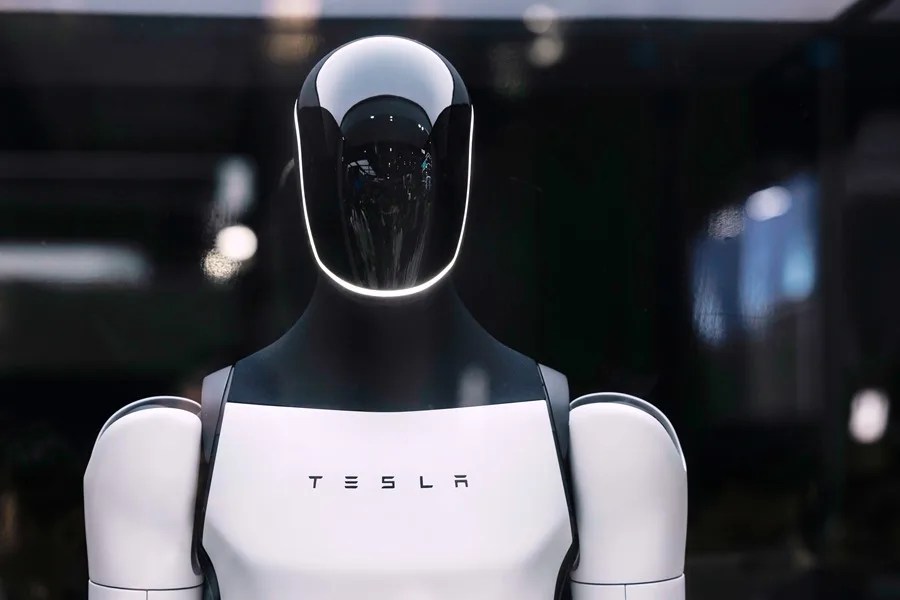
Tesla develops systems that combine visual perception, action planning and joint control. The following functional diagram is educational and does not reproduce Tesla’s internal architecture.
7. What equipment is needed to develop movements?
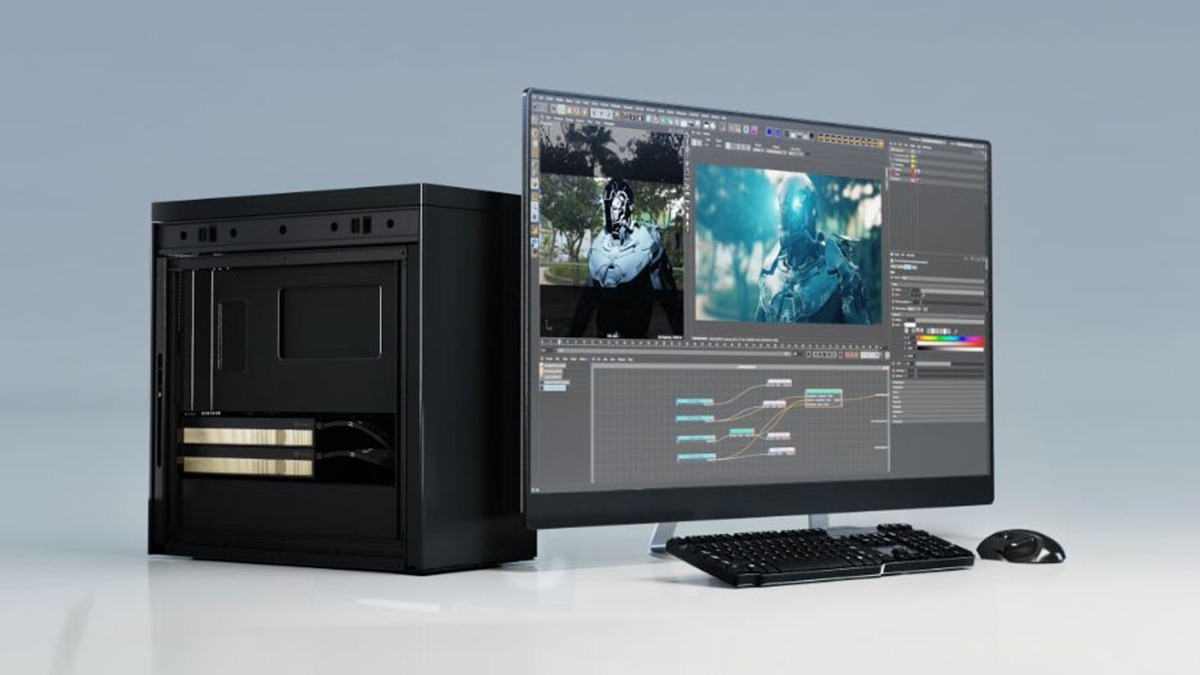
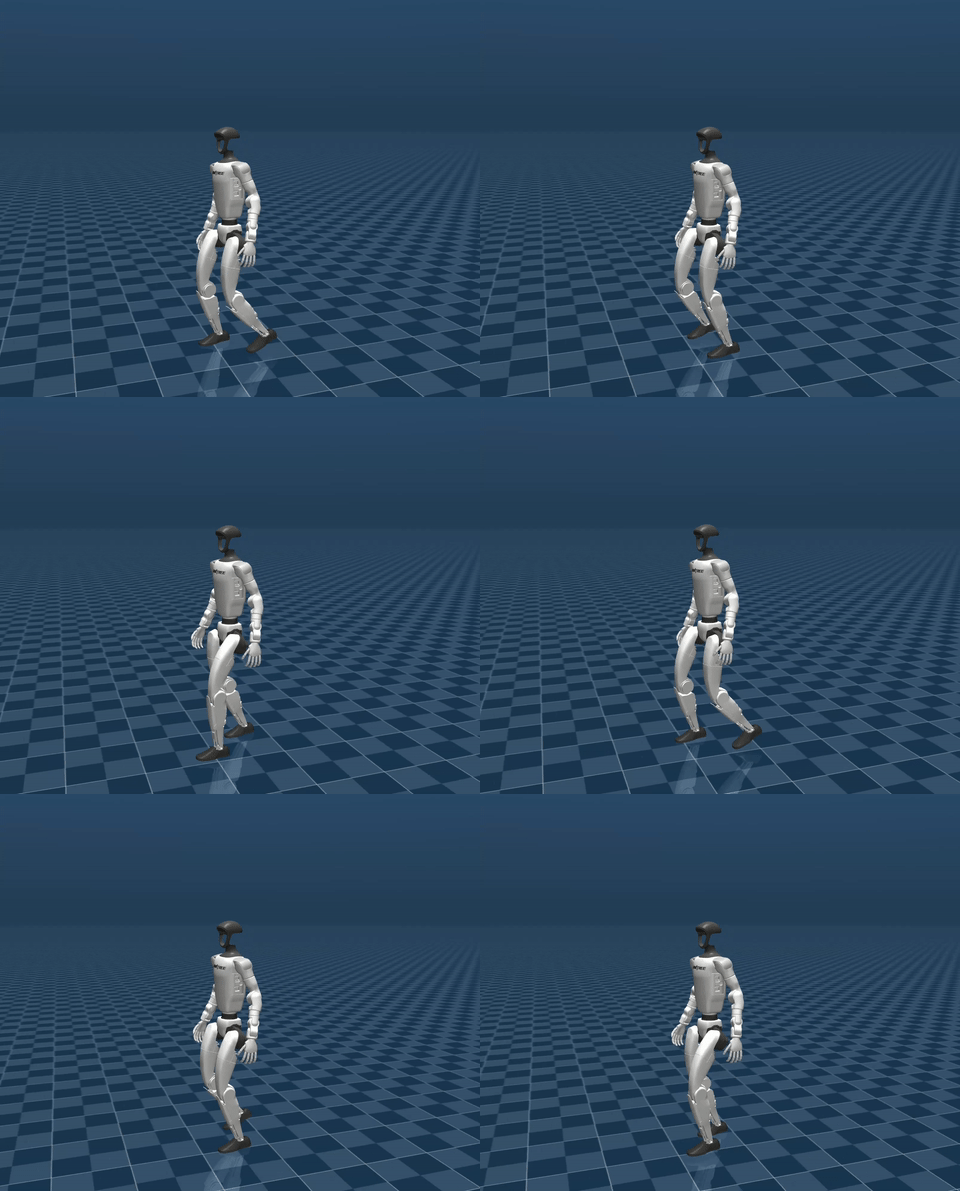
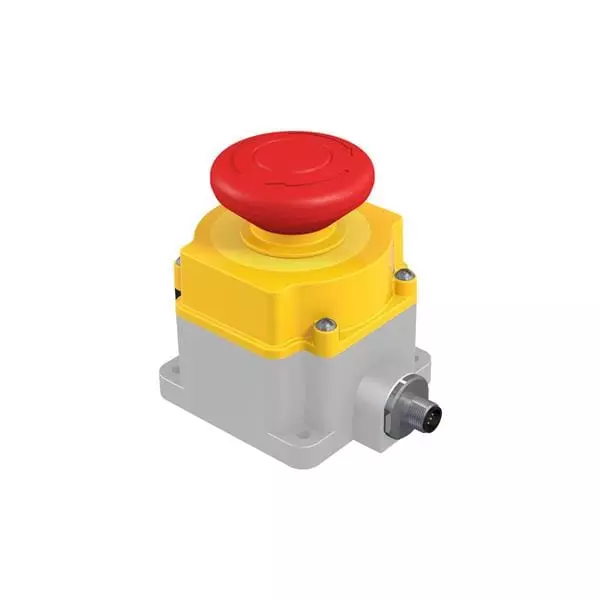
An actual Optimus would also require Tesla-authorized development interfaces, the appropriate charger and documentation for the delivered hardware configuration. A physical emergency stop must follow the manufacturer safety design.
8. How to start Tesla Optimus
Tesla has not released a public operating manual for starting and controlling a commercial Optimus. A general humanoid commissioning process would include:
- Inspect the mechanical condition.
- Check the battery.
- Secure the robot in a protected test area.
- Start the electronics according to the manufacturer manual.
- Initialize the sensors.
- Verify the actuators.
- Activate the approved balance controller.
- Allow movement only under qualified supervision.
These steps are educational and do not constitute an official Tesla startup procedure. Never attempt to power or move a full-sized robot without approved training and equipment.
9. How to make Optimus walk
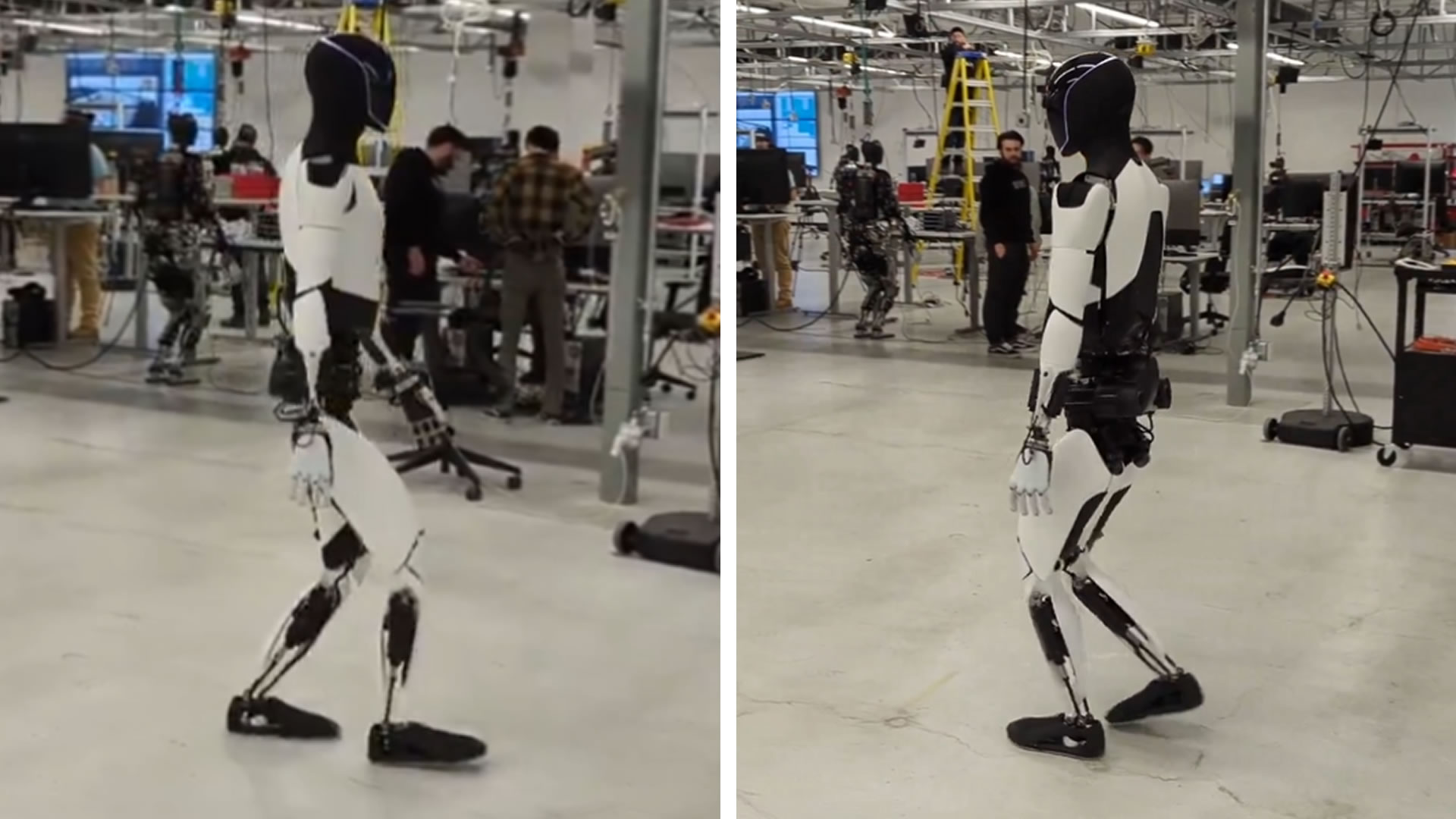
Optimus walking depends in part on reinforcement learning and dynamic whole-body control. The controller must manage the center of mass, foot placement, torso orientation, joint position and balance corrections.
Tesla hires engineers to train, test and deploy these controllers on Optimus.
Tesla whole-body reinforcement learning rolehttps://www.tesla.com/careers/search/job/reinforcement-learning-engineer-whole-body-controls-optimus--244485
10. How to make Optimus run
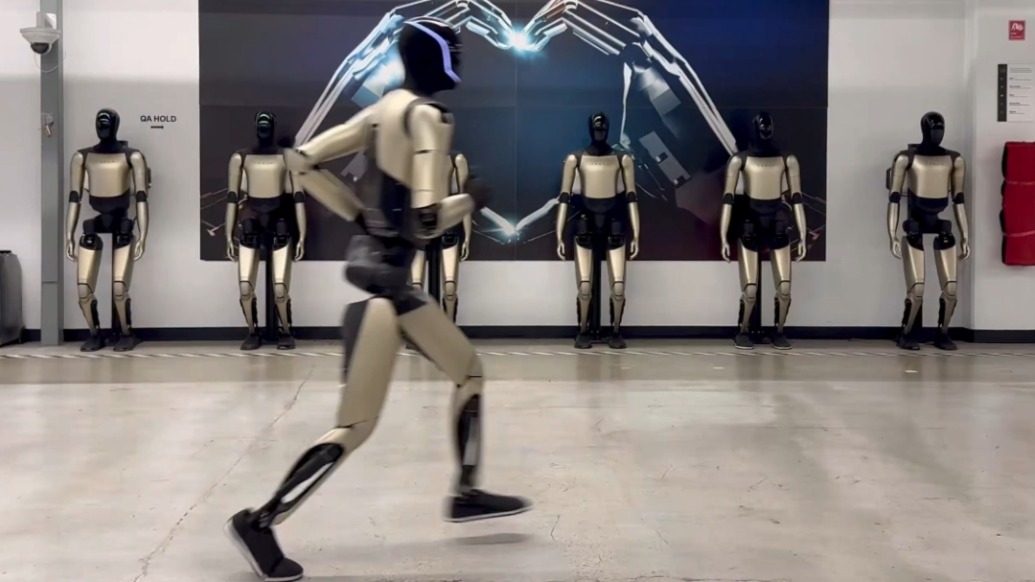
Tesla published a laboratory running demonstration in December 2025. Running requires engineers to handle flight phases, ground impacts, joint speed and dynamic stability.
There is no verified public command that allows a private user to make Optimus run.
Tesla Optimus demonstrationshttps://x.com/Tesla_Optimus
11. How to make Optimus dance
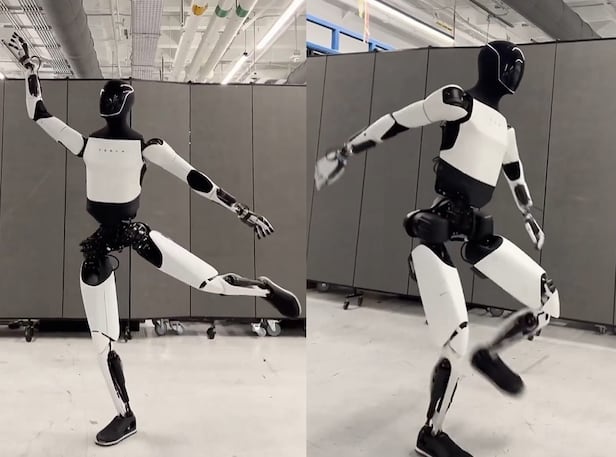
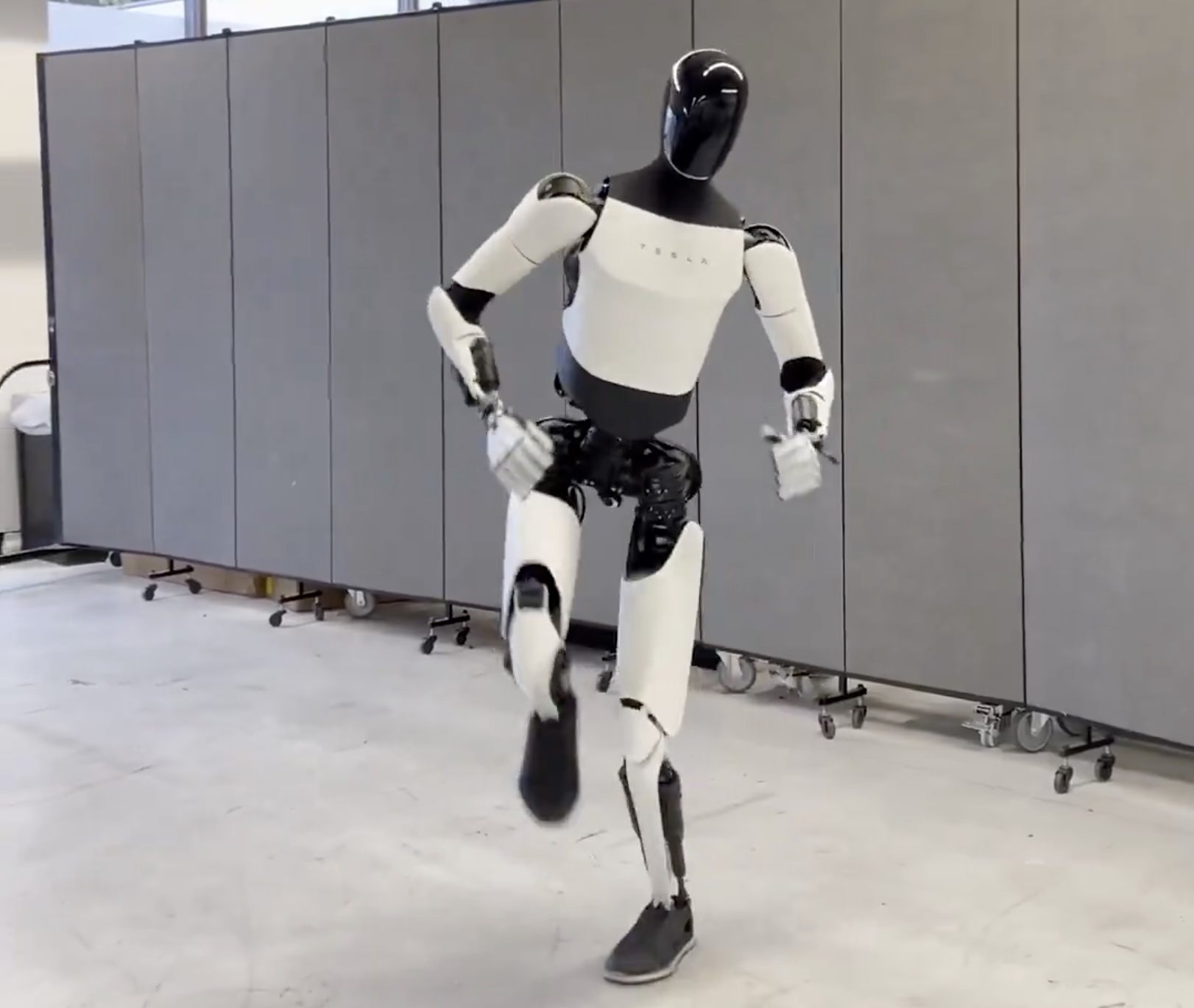
Tesla teams have shown several dance demonstrations, including lateral steps and movements on one leg. One way to develop a humanoid choreography is to convert human movements into compatible robot joint trajectories.
The code for Tesla’s Optimus choreography has not been made publicly available.
12. Which software should you use?
 PythonProgramming and machine learning
 PyTorchNeural network training
 C++Control and embedded software
 LinuxEmbedded development
 Isaac LabSimulation-based trainingMuJoCoPhysics and dynamics simulation
Tesla mentions Python, NumPy, PyTorch, C, C++, Linux and simulation environments such as Isaac Lab and mjlab in Optimus engineering job descriptions. This does not mean they are offered to buyers as an Optimus SDK.
Tesla reinforcement learning job descriptionhttps://www.tesla.com/careers/search/job/reinforcement-learning-engineer-whole-body-controls-optimus--244485
Tesla embedded software job descriptionhttps://www.tesla.com/careers/search/job/embedded-systems-engineer-optimus--275790
13. How to start programming
You can study humanoid robotics without owning Optimus. Install Python and prepare a simulation environment.
python -m venv robotics-envOn Linux, activate the environment:
source robotics-env/bin/activateInstall the libraries:
pip install numpy torch mujocoExample: step a generic humanoid physics model in MuJoCo.
import mujoco

model = mujoco.MjModel.from_xml_path(
    "humanoid.xml"
)

data = mujoco.MjData(model)

for _ in range(1000):
    mujoco.mj_step(model, data)
The example requires a compatible humanoid.xml model already downloaded to the working directory. It advances a generic simulation and does not implement a gait or control a Tesla Optimus.
14. Free learning resources
| Resource | Use |
|---|---|
| Tesla AI | Official robotics program |
| MuJoCo | Physics simulation |
| Isaac Lab | Robot learning |
| PyTorch | Artificial intelligence |
| GMR | Motion retargeting |
| ROS 2 | Learning robot communication |
Tesla AIhttps://www.tesla.com/AI
MuJoCohttps://github.com/google-deepmind/mujoco
Isaac Labhttps://github.com/isaac-sim/IsaacLab
PyTorchhttps://pytorch.org/
GMRhttps://github.com/YanjieZe/GMR
ROS 2https://docs.ros.org/
ROS 2 and GMR are complementary resources for learning robotics. Compatibility with the real Optimus is not confirmed. The main limitation for independent developers remains the absence of a public Optimus SDK and verified commercial access to the robot.